Table of Contents
Why Cat Paws Hot?
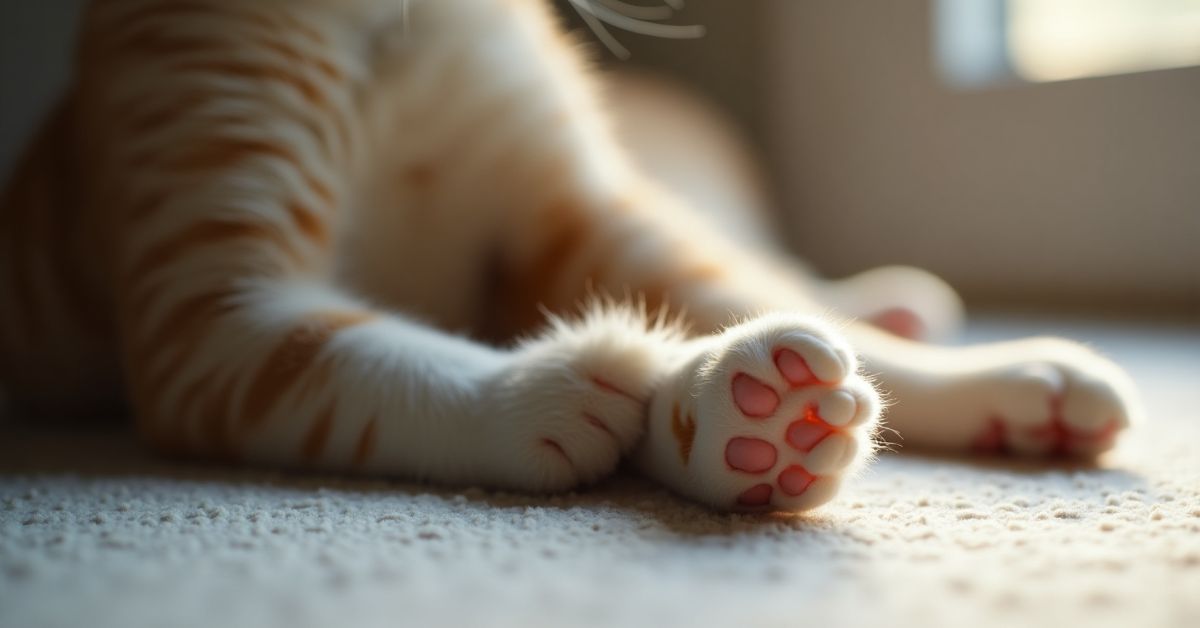
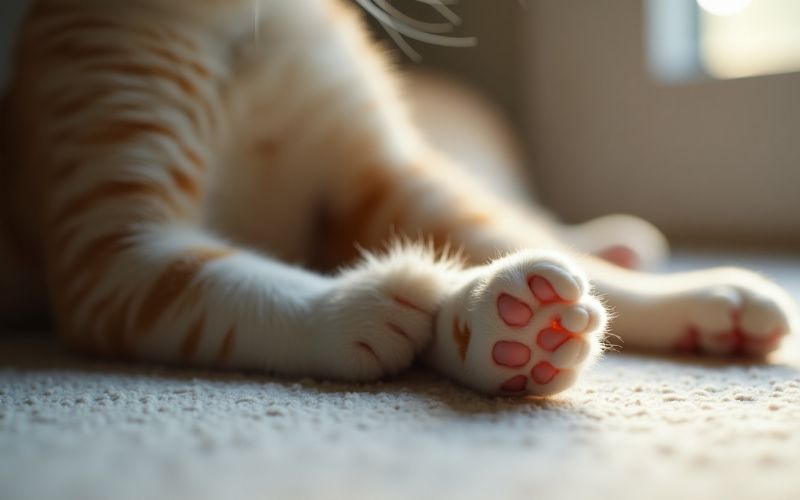
Cat Paws Hot: When I first noticed my cat’s paws hot to the touch, I wondered if it was a sign of hidden health troubles. A kitty’s warm toe beans or paw pads can feel hotter than our hands, especially since a cat’s normal body temperature is generally in the range 99.5˚–102.5˚ Fahrenheit (F), while a person’s runs chillier.
So when my cat’s paws felt extra toasty, I had to remind myself that cats regulate body temperature differently. Blood circulation, heat dissipation, and even playing in a warm environment can naturally cause paws warm to the touch without any underlying health issue.Still, being aware of behavior changes helps in knowing when something more is going on.
If your cat’s paws feel unusually hot for a long time or you notice ordinary problems turning into a health problem, it may not just be normal physiological processes. Cats tend to have higher normal body temperature than humans (100.5°F–102.5°F), so sometimes the warmth is expected. But if you’ve touched paws that stay warm like radiators and your cat shows other unusual insights in behavior, getting quick help can give you peace of mind about what’s really going on.
Some Potential Reasons of Cat Paws Hot
- Normal temperature regulation: A little too much fun in the sun or a long catnap in a warm spot can cause your cat’s paws to become hot. After such activities, your cat is likely cooling down by releasing body heat through her paws, which is completely normal.
Because cats have fewer sweat glands throughout their bodies, their paws become a key area for releasing excess heat and helping them stay cool. However, if your cat is showing other changes in behavior after exposure to high temperatures, such as lethargy or discomfort, it might indicate the need for medical attention. - Stress or Anxiety: When a cat experiences stress or anxiety, they may begin to sweat through their paws, causing them to feel unusually warm. Emotional distress can trigger this response, leading to elevated temperatures in their paw pads.
- Heatstroke: Excessive heat, particularly in warm weather, can cause your cat’s paws to become hot, accompanied by other concerning signs such as heavy panting, drooling, and sluggishness.If you notice these signs, this could be heatstroke, a critical condition that demands urgent medical intervention.
Heatstroke happens when your cat’s body gets excessively hot, and it is unable to control its internal temperature. In this serious condition, your cat may attempt to cool itself down by panting, licking, and sweating, and you may notice warm, damp paw pads.
At the first sign of heatstroke, move your cat to a cool place, out of the sun, and contact your vet to inform them you’re on your way. To help lower her body temperature, apply cool water or a damp towel to her paws, groin, armpits, and neck. Continue applying the cooling pads as you take her to the vet for urgent medical attention.
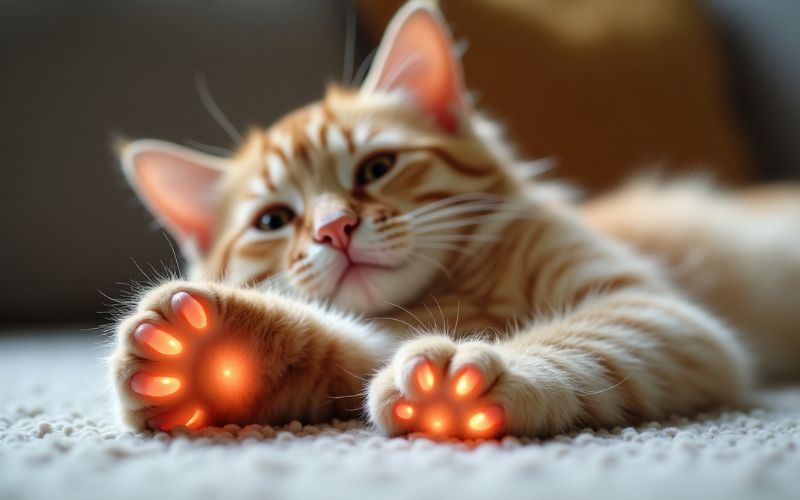
- Fever: If your cat paws hot are paired with symptoms such as tiredness, lack of appetite, or changes in behavior, it might indicate the presence of a fever. In such cases, it’s crucial to consult a veterinarian promptly to ensure your cat’s health improves.
- Inflammation: Conditions like pododermatitis, which is inflammation of the paw pads, can lead to swelling and warmth in the paws. Identifying the root cause of this inflammation can be challenging, as it might stem from an autoimmune issue or allergies.
- Cat Injured Paw: Physical trauma such as cuts, burns, or stepping on sharp objects can result in increased heat in the paws. If your cat has recently encountered such injuries, the warmth could be due to the healing process or tissue damage.
- Scalds & Burns: If a surface is too hot for you to touch, it’s probably too hot for your cat’s paws as well. When your cat walks on a heated surface, it can result in blisters or burns, which will feel warm to the touch.
If your cat has burned her paws, PetMD suggests rinsing the area with cool water to ease first- or second-degree burns, then applying a small amount of aloe vera gel after the heat has reduced. If the burns are severe or your cat is in distress, it’s important to consult your veterinarian for proper care.
How to Protect Your Cat Paws from Heat and Damage?
To help keep your cat’s paws safe and healthy, here are a few simple precautions you can follow:
- Keep your cat indoors during extreme heat: To avoid potential harm, keep your cat inside during extremely hot weather and ensure they are kept away from hot surfaces like stovetops, heated floors, or car hoods.
- Provide shaded areas for outdoor exploration: If your cat enjoys exploring outside or spending time in a catio, make sure they have access to shady, cool spots to rest. This will help prevent their paws from overheating or getting damaged.
- Monitor paws regularly: Check your cat’s paws regularly for any signs of injury, burns, or infections. Early detection can help prevent serious complications.
- Maintain a comfortable home temperature: Keep your living space at a comfortable temperature for your cat. Consider setting up cooling zones in your home during the warmer months to help regulate their body heat. Even though some cats love basking in the sun, it’s essential to ensure they have access to cooler areas to prevent overheating.
- Provide protective footwear or pads: In situations where your cat must walk on hot surfaces, consider using cat-friendly protective footwear or pads to shield their paws from burns or injuries.
- Stay prepared with pet insurance: Accidents and health concerns happen unexpectedly. Having cat insurance ensures you’re prepared to cover the costs of veterinary visits should your feline friend need medical care for paw injuries or any other issues.
- The Bottom Line: Although a cat’s warm paws may simply be a part of normal temperature control, they can also indicate more serious underlying health concerns. Always keep an eye on your cat’s behavior and paw health to prevent potential harm.
What to Expect During a Vet Visit for Cat Paws Hot?
When you bring your cat to the vet for hot paws, the first step is a thorough physical examination. The vet will inspect the paws for visible signs of burns, injuries, or infections that may be causing the heat.
They will also check your cat’s temperature to rule out a fever, which could signal an underlying issue such as an infection or illness. If necessary, blood tests may be done to further investigate the cause.Based on the findings, the vet will create a treatment plan tailored to your cat’s condition, which may include antibiotics, ointments, or other specific treatments.
Follow-up visits are important to monitor your cat’s recovery and adjust the treatment as needed. If no additional symptoms are found, the vet may recommend simply keeping an eye on your cat’s condition.
When to Worry About Cat Paws Hot?
It’s common for cat owners to notice warm paws and wonder if it’s normal or a sign of illness. In many cases, warm cat paws are harmless and linked to natural body heat, playtime, or resting on a soft, warm surface. However, there are situations where you need to be careful.
If your cat’s paws feel unusually hot for a long time and come with other symptoms, this may indicate fever, infection, or inflammation. Cats with fever usually show low energy, loss of appetite, warm ears, or rapid breathing. Other warning signs include swelling, redness, or pain when touching the paws.
If your cat constantly licks or chews its paws, avoids walking properly, or seems uncomfortable, the cause may be more serious. While temporary warmth is normal, persistent hot paws with unusual behavior should not be ignored, as cats are experts at hiding pain.
When to Call the Vet?
Cat paws hot alone are not always an emergency, but when combined with certain symptoms, it’s time to seek veterinary help. You should contact a vet immediately if your cat’s paws are hot and also show swelling, open wounds, burns, or signs of infection like redness and discharge.
A vet visit is also necessary if your cat seems lethargic, refuses food, drinks less water, or shows signs of dehydration. If your cat is limping, avoiding movement, or constantly hiding, these are strong indicators of pain or illness. Fever-related issues often cause both hot ears and hot paws, so checking overall body temperature can also help.
Cats may hide pain until it becomes serious, which makes early detection even more important. Calling the vet at the right time ensures proper diagnosis and treatment, protecting your cat from long-term health risks and keeping their paws safe and healthy.
FAQs
1- Can a cat paws hot be dangerous?
Yes, a cat paws hot can be dangerous if they indicate underlying issues such as burns, infections, or fever. Behavioral changes, visual signs like swelling or blisters, and persistent warmth can all signal a serious problem that requires prompt attention. It’s important to consult a vet if these signs persist, as early intervention can prevent further complications and ensure your cat’s health.
2- Does my cat have a fever if its paws are hot?
Hot paws alone don’t necessarily mean your cat has a fever, but they could be a sign. If your cat’s temperature exceeds 102.5°F, it may indicate a fever, especially if accompanied by other symptoms like lethargy.
3- What does it mean if a cat paws hot?
Hot paws could be a natural result of temperature regulation, physical activity, or environmental heat. However, they can also be a sign of health issues like infections, burns, or fever, so it’s important to monitor for other symptoms.
4- Is it normal for cats’ paws to sweat?
Cats have few sweat glands, mostly on their paws. While it’s normal for them to sweat through their paws, excessive sweating or moisture could indicate stress, heat, or health issues, requiring attention.