Table of Contents
What is Hair loss in Cats?
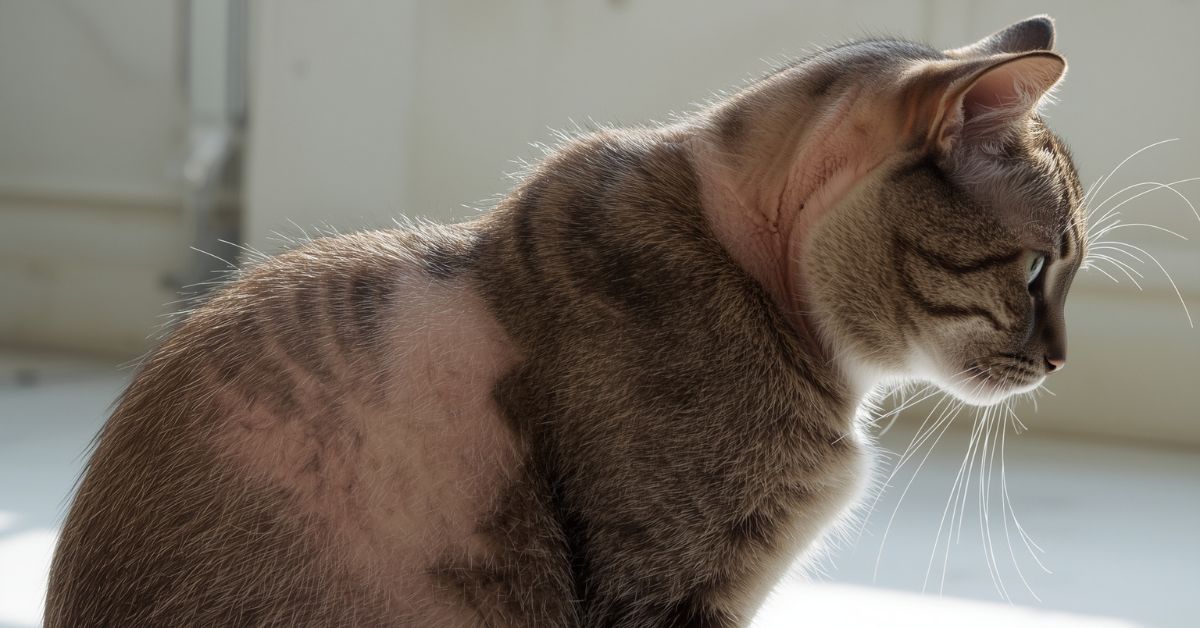
Hair loss in Cats: When it comes to hair loss in cats, pet owners often search for answers and questions that can reveal the underlying cause. The causes may range from fungal infections like ringworm, parasitic infestations caused by mites, or allergic reactions such as flea allergies and food allergies.
Some cats may develop alopecia due to metabolic conditions like hyperthyroidism, where the overproduction of thyroid hormones can trigger further health issues, including urinary tract complications. Behavioral patterns such as continual licking, excessive attempts to groom, and persistent scratching often result in a cat beginning to lose thick tufts of fur, leaving behind exposed skin in different locations on their bodies.
Stressful environments, a changed home, or a contentious relationship with other cats may lead to increased stress, stress, and anxiety, worsening the problem. In some cases, genetics and underlying health conditions play a role. Identifying these triggers is crucial to restore comfort to itchy pets and create a more harmonious environment for both cats and their families.
Normal or Excessive Hair Loss in Cats
If your cat is leaving more fur than usual on your furniture or clothing, it might be more than just normal shedding. While it’s apparent that all cats go through hair loss cycles for new growth, sudden bald patches or thinning areas on their coat may hint at something deeper.
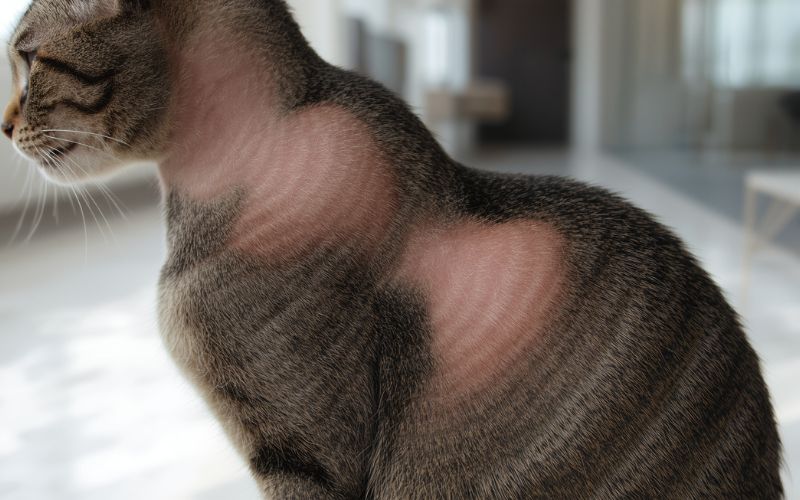
From personal experience as a longtime pet owner, I’ve learned to investigate whether the issue is local or generalized, especially if it shows up in a young adult cat rather than an old one. It’s important to know if the problem was present at birth suggesting a congenital or hereditary issue like a lack of development in hair follicles or acquired later due to damaged skin or allergies. Either way, unusual hair loss is never something to ignore.
Symptoms of Hair Loss in Cats
- Hair Loss: If you notice your cat has thinning fur or bald spots, it could be a sign of an underlying issue like allergies, parasites, or changes in hormone levels that affect hair growth.
- Itchiness: Cats that constantly scratch themselves may be dealing with skin irritation, often caused by fleas, mites, or skin infections such as ringworm.
- Flaky Skin: If your cat’s skin looks dry or has white flakes (like dandruff) it may be due to poor grooming, a lack of essential nutrients or skin conditions that affect oil production.
- Red Skin: Red or inflamed areas on the skin are often signs of an allergic reaction, infection, or damage from too much licking or scratching.
- Skin Bumps: Small lumps or bumps on the skin can be caused by infections, parasites or even certain immune system problems.
- Excessive Licking or Chewing of Fur: When cats lick or chew their fur too much it’s usually because they’re uncomfortable either due to itchiness, stress or something bothering their skin.
7 Common Reasons of Hair Loss in Cats
1- Poor Diet
A poor diet can lead them to lose hair. It’s often the exact cause behind increased shedding and a dry brittle coat that no longer looks shiny, bright, or healthy. Many owners suspect allergies or stress, but forget to look at the ingredients of what they regularly feed.
An inadequate mix of vitamins, minerals, and other nutrients results in a deficit that prevents maintaining optimal health especially of the skin and fur. If a cat is lacking the right support from their food, it’s very possible to see visible loss. To ensure they’re getting enough, consult a veterinarian and review what your pet is truly eating.
A nutrient-filled, balanced plan made just for their needs can make all the difference. I’ve seen cats go from patchy to full, long coats once the point of poor nutrition was addressed.
2- Anxiety and Stress
In cats, anxiety and stress can cause stress-related hair loss through physical ways like excessive scratching of their bodies, leading to scratches, open wounds, and damage to the skin. High-stress levels often occur due to changes in the household, such as new additions or other pets, causing a shift in their usual routine and acting as a trigger for this behavior.
This nervous response creates a noticeable pattern of feline hair loss where the feline friend seeks relief by occasionally scratching, which can worsen trauma. Providing a calm, enriched environment helps to alleviate the effects of stress and reduce further hair loss.
3- Skin Infections
In cats, unexpected hair loss often signals deeper skin issues, where bacterial or fungal infections may be at play alongside common skin allergies.
These skin infections can cause redness, scaly patches, and foul odors, often making the coat appear patchy or damaged. Symptoms like hives, red marks, open wounds, frequent scratching, and biting can indicate an allergic reaction or irritation.
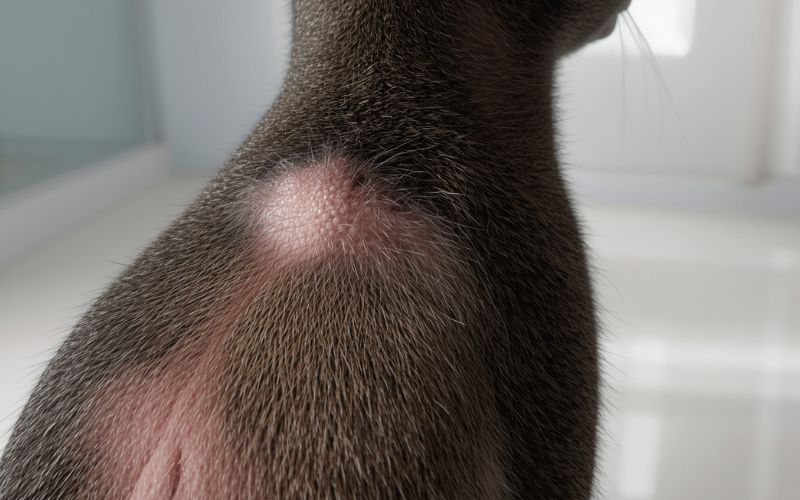
A veterinarian may need to detect the exact cause through a test and a careful process of elimination, ruling out various allergens and other possibilities. If not treated promptly, these problems can develop into more serious health complications.Once the right treatment is found, the hair typically starts to grow back, restoring the skin and coat to a healthier state.
4- Fleas and Ticks
Fleas and ticks are tiny parasites that latch onto a cat’s skin, especially when the feline goes outside, causing it to scratch excessively due to irritation and discomfort. These pests leave behind small flea bite marks and tick bite marks, which can cause rashes and lead to hair loss.
Such infestations increase the chances of serious diseases as these parasites feed on the cat’s blood and play a key role in spreading disease. To get rid of these mites and other parasites faster, it is important to check regularly and use regular flea prevention and protection measures to reduce cat hair loss caused by these persistent infestations.
5- Hormonal Imbalances
In cats, hair loss can be caused by hormonal imbalances that disrupt the normal functioning of the thyroid glands and other parts of the cat’s body.
A common condition is hypothyroidism, where the gland tends to work slowly and fails to produce enough hormones like growth hormone, leading to a decrease in activity of hair follicles and resulting in patchy or uneven pieces of fur with reduced coat quantity and poor coat quality.
Other conditions such as hyperthyroidism, Cushing’s disease, and autoimmune disease also affect hormone levels and cause similar effects including damage to the coat. Proper medications and treatments are necessary to restore balance and help the hair to grow back, though side effects may occur during therapy.
6- Age and Genetics
As cats age, their bodies naturally go through changes, and one noticeable effect is hair thinning. In older cats, there’s a decrease in hair follicle activity, which causes their fur to become less thick and healthy.
Certain breeds are more genetically predisposed to experience distinct hair loss patterns, and this becomes more apparent as they grow older. From my experience, this change happens gradually, but it is a normal part of aging, especially in cats that are more affected due to their genetic makeup.
7- Allergies and Sensitivities
Hair loss in cats can be caused by allergic reactions to certain foods, grooming products, or environmental factors that may not affect humans the same way. These reactions often lead to itching, inflammation, and excessive scratching, which worsens the discomfort and speeds up fur shedding.
Carefully identifying and eliminating the underlying allergen is crucial in preventing any further damage to your cat’s skin. Watch for patterns and triggers changing a shampoo or switching up foods might be key.Allergies and Sensitivities
Prevention of Hair Loss in Cats
Hair loss or alopecia in cats can happen for various reasons. One of the common causes is stress, which can lead to shedding or hair thinning. Flea and tick infestations can also cause irritation and hair loss in certain areas. Diet also plays a crucial role in your cat’s well-being.
If your cat isn’t getting enough nutrients and minerals, it can weaken their fur, making them more susceptible to hair loss.Ensuring a balanced diet with the right products and supplements can help strengthen their coats.
Environmental changes or new pets might also trigger anxiety in your cat, contributing to stress and hair shedding.To prevent further hair loss, it’s important to create a safe space for your cat to feel secure. Regular care like grooming helps remove loose fur and stimulates the hair follicles, improving your cat’s overall health.
Timely vet visits are essential to track any health concerns and ensure early detection of any issues. A veterinarian can provide the proper treatment and guide you on the best prevention strategies. Staying on top of these factors with a routine of care will improve your cat’s wellbeing and reduce the risk of alopecia.
Treatment of Hair Loss in Cats
If your cat is experiencing alopecia (hair loss), it’s essential to tackle the underlying cause for effective treatment. Some treatments that can help manage the situation include:
- When it comes to hair loss in cats, I’ve learned from experience that the best way forward is identifying the underlying cause first.
- In some situations, the issue is curable, while in others it needs to be managed long-term.
- A proper exam, blood work, and checks for thyroid function, urinalysis, and other lab results help uncover endocrine diseases like hyperthyroidism or the more rare Cushing’s disease.
- I’ve seen cats with hyperthyroid problems respond well to Methimazole, while antiparasitic medications like Bravecto, antifungal medicine such as Itrafungol, or antibiotics like Clavamox can resolve medical causes including parasites, infections, or fungus.
- In some cases, allergy management with cyclosporine, or pain medication like robenacoxib, made a huge difference.
- A diet change, guided by my vet, especially with foods like Royal Canin, Science Diet, or even adding calming food, helped with fur loss recovery.
- Not all instances are strictly medical causes—about 76% cases are linked to health, while 10% are behavioral, and 14% are a combination.
- For psychogenic alopecia, which is often tied to emotional states like stress, anxiety, or frustration, creating a calming space works wonders.
- I’ve used Feliway pheromones (like a Feliway diffuser, a synthetic feline pheromone) for that calming effect.
- Adding anti-anxiety supplements such as Anxitane, Composure, or Purina Pro Plan Calming Care has also helped my kitty.
- I enriched the environment with perches, climbing posts, and a window seat, plus interactive toys like a feather wand or food puzzle toys to stimulate natural hunting instincts and burn off excess energy.
- Small touches, like scattering kibble, offering nontoxic cat grasses, or even hiding treats in cardboard boxes or paper bags (without handles for safety), kept my cat engaged and reduced itching from overgrooming.
- With consistent therapy, stress-reducing modifications, and veterinarian intervention, I’ve seen fur regrow within a few months, even in chronic cases that seemed difficult to resolve at first.
Frequently Ask Questiion (FAQs)
1. How to treat hair loss in cats?
To treat cat hair loss, you need to figure out the cause, like stress, allergies, or infection. A vet visit is necessary to determine the right treatment, which may involve special shampoos, medications, or changes in diet.
2. What is the best treatment for hair loss?
The treatment for hair loss depends on what is causing the hair loss.. For cats, treating any underlying issues like infections, allergies, or parasites will help, along with ensuring they have a balanced diet and proper care.
3. Is hair loss a symptom of depression?
Yes, hair loss can sometimes be linked to depression or stress in cats. When cats are anxious or feeling low, they may over-groom, leading to hair loss. It’s important to address their emotional well-being and seek professional help if needed.
4. Is hair loss in cats serious?
Hair loss in cats can be serious if it’s caused by an underlying health problem, like an infection, parasites, or hormonal issues. If your cat’s hair loss is unusual or persistent, a vet should be consulted for proper diagnosis and treatment.
5. Is hair loss a symptom of depression?
Yes, absolutely, sometimes hair loss in cats can be caused by depression and stress. Cats may over-groom themselves when they are stressed or anxious, which can lead to bald patches. Finding the root cause of their stress and fixing it can be helpful.