Table of Contents
What is Down syndrome?
Down syndrome is a congenital disorder caused by a chromosomal defect. Normally, humans have 23 pairs of chromosomes, but people with Down syndrome have an extra copy of chromosome 21, making it three instead of the usual two.
This extra chromosome leads to a range of physical characteristics such as low muscle tone, short stature, and a flat nasal bridge, as well as learning difficulties. These changes occur due to an issue in the nucleus of the cell during division.
What is actually Down syndrome in cats?
Down syndrome is a well-known condition in humans, often associated with an extra chromosome 21, it is considered impossible in cats. Because Cats have 19 pairs of chromosomes, and therefore, they can’t have the same genetic condition.
However, some cats may display genetic abnormalities or congenital conditions that result in physical traits and behavioral traits resembling Down syndrome, such as unusual facial features, developmental delays, or neurological impairments.
These are typically due to genetic conditions or other congenital abnormalities, not the same underlying cause as seen in humans. Although the exact reason behind these similar symptoms is rare, it’s important to remember that with the right veterinary evaluation and diagnosis, proper care can be provided to help cats with unique needs.
Down syndrome like symptoms in cats
1- Physical Features
Unusually small or oddly shaped ears: Cats may have smaller or oddly shaped ears, which can make them appear different from other cats. This can affect their overall appearance and sometimes their hearing.
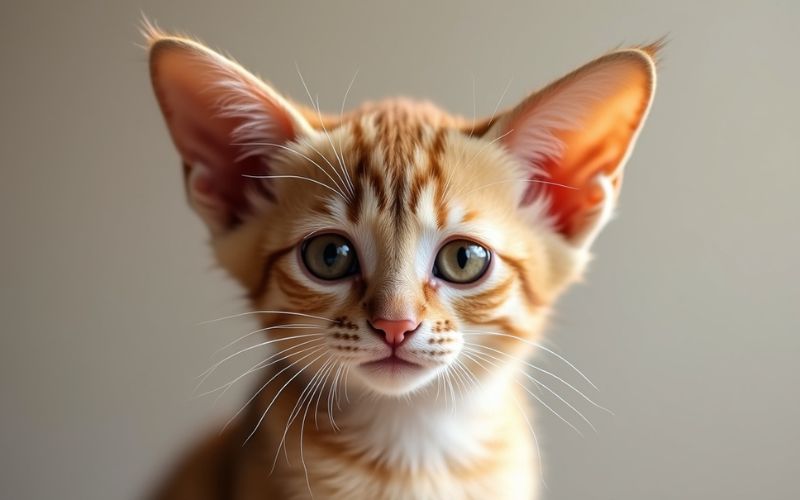
Eyes set abnormally wide apart: The eyes may appear unusually wide apart, giving the cat a distinct and abnormal facial appearance. This feature can also affect their depth perception and facial expressions.
Flat or upturned nose: A flat or upturned nose is often seen in cats with Down syndrome-like symptoms, affecting their facial structure. This feature is noticeable and contributes to their unique look.
Low muscle tone: Low muscle tone results in weaker muscles, leading to slower movements and difficulty in coordination. This can also cause a lack of agility and balance in the cat.
2- Functional Issues
Problems with vision: Cats may experience vision problems, making it difficult for them to see properly. This can make it harder for them to move around and enjoy their surroundings.
Heart problems: Cats may have heart issues that affect their heart health. This can lead to poor blood circulation and fatigue, making them less active.
Hearing loss: Cats may suffer from hearing loss, making it difficult for them to hear sounds properly. This can lead to slower responses to sounds and movements around them.
Neurological or Behavioral Issues
Neurological Signs: Cats may exhibit neurological symptoms, such as difficulty with coordination or balance. These signs indicate possible brain or nervous system abnormalities.
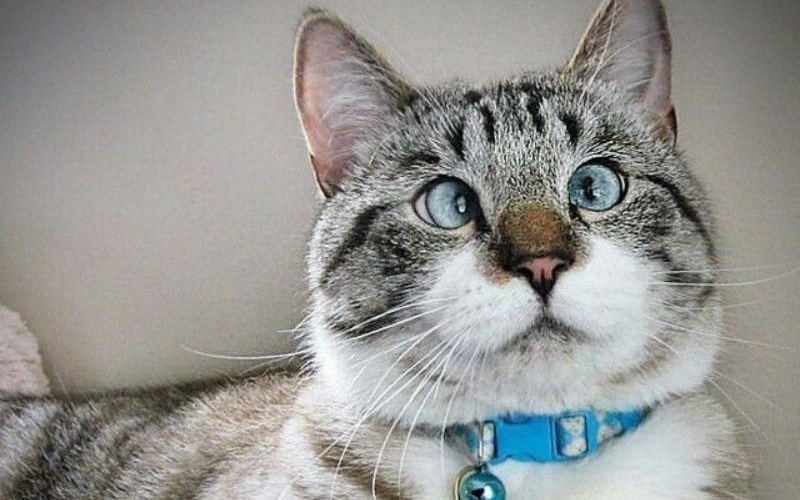
Behavioral Differences: Cats with Down syndrome-like symptoms may show unusual or strange behaviors, such as being more passive or having difficulty interacting with others. These behavioral changes can affect their social and environmental responses.
Causes of Down Syndrome like Symptoms in Cats?
Several factors and genetic traits cause cats to display Down syndrome-like symptoms, including the following:
Genetic Mutations
Some genetic mutations in cats lead to physical anomalies like craniofacial deformities, causing flattened faces and wide-set eyes. These mutations can also change a cat’s facial appearance and how they move, making them look a bit different from what we’re used to seeing. Along with behavioral anomalies, these changes may slow cognitive development, making these individuals need extra care from their owners, similar to Down syndrome in humans.
Neurological Disorders
When a cat shows Down syndrome-like symptoms, it might be due to neurological disorders. Cerebellar hypoplasia affects the cat’s coordination, causing issues with movement and leading to developmental delays.
Another cause could be hydrocephalus, where the brain accumulates fluid, resulting in unusual features like a larger-than-normal head. Even trauma to the head can alter behavior and movement. If you notice any of these symptoms, it’s best to schedule a veterinary appointment to determine the underlying causes of these disorders and get proper treatment.
Feline Leukemia Virus (FeLV)
Feline Leukemia Virus (FeLV) is an infectious virus that compromises a cat’s immune defense. It also affects their brain and nervous system, which can lead to developmental delays, coordination problems, and cognitive issues. Kittens infected with FeLV may show physical abnormalitie such as a smaller head size, as well as behavioral issues resembling symptoms similar to Down syndrome.
Developmental Issues Before Birth
During pregnancy, the mother cat faces potential risks that can harm her developing kittens. Exposure to toxins or infections can result in serious prenatal issues, which may cause neurological abnormalities or physical abnormalities in the kittens once they are born.
It’s really important for the mother cat to check in with a vet to make sure she’s getting the right nutrients and to catch any possible problems early. Proper care during this time is essential to ensure the health and safety of both the mother and her kittens.
Caring for Cats With Special Needs
- Play and Social Interaction: Cats with special needs, like those with Down syndrome, benefit from social interaction. Regular play and bonding moments help improve their confidence and emotional well-being.
- Cognitive and Behavioral Differences: These cats may experience cognitive differences that affect how they understand and react to their surroundings. Patience is key when dealing with their behavioral differences and slow responses.
- Enrichment Activities: Provide enrichment activities like puzzles or toys to keep their minds active and engaged. Mental stimulation supports their cognitive growth and happiness.
- Safe Play Environment: Ensure their play area is free from hazards such as sharp objects or stairs. This reduces the risk of accidents and creates a safer space for them to explore.
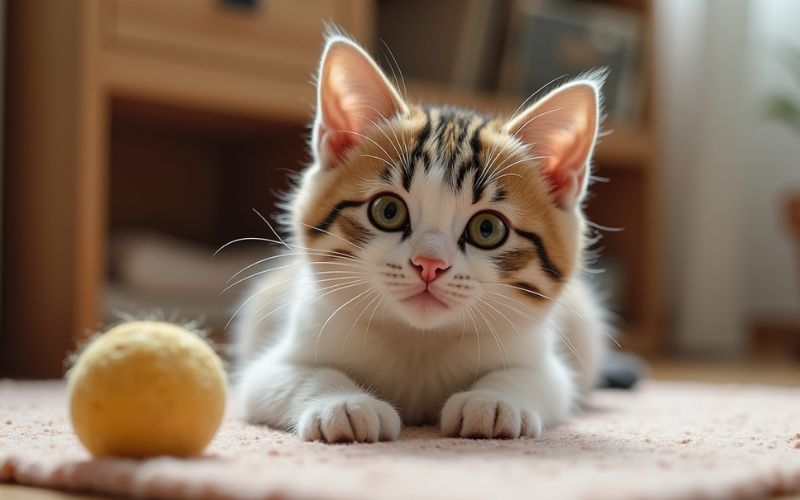
- Mind Stimulation: Keep their brains sharp with activities that encourage problem-solving and play. Simple toys that stimulate their abilities help them grow and stay engaged.
- Patience and Consistency: Caring for a cat with special needs requires time and patience. Be consistent in your care and give them the space they need to adjust and thrive.
Final Thought
In my years of caring for cats, I’ve met many kitties with unique qualities that at first seemed like down syndrome-like symptoms. Some had a squished, flat nose, a perpetually saddened face, or eyes that looked widely spaced and a bit upturned. Others showed clumsy walking, difficulty excreting, or even signs of motor dysfunction.
A few were later diagnosed by the vet with congenital abnormalities, neurological disorders, or genetic mutations, while some had past trauma, infections like panleukopenia virus in utero, or cerebellar hypoplasia. Unlike humans with 23 chromosomes and an extra copy of the 21st pair that causes Down Syndrome, cats have only 19 chromosomes, so the root cause of these disorders and diseases is different in nature.
From heart problems, hearing loss, and vision challenges to unusual behavioral traits like aloof behavior or low muscle tone, these feline companions often need extra care. I’ve seen genetic tests, x-ray scans, and even surgery recommended for joint problems near the neck, shoulder blades, or when congenital malformations affect facial structure and the neurological system.
Despite possible permanent damage from injuries at birth or toxins, each kitty remains a special, different buddy. Their behavioral quirks, unusual traits, or even aloof ways only make them more feline and lovable, no matter if it’s a rare breed, an odd feline syndrome, or simple pairings of chromosomes that set them apart.
In truth, living with one of these cats has taught me that treated or not, their symptoms are just part of their feline story, making them beautifully different companions.
Consulting a Veterinarian for Special Needs Cats
If your cat has Down syndrome or other special needs, it’s essential to consult a veterinarian for expert advice. They can provide guidance on the best care practices to improve your cat’s health and well-being. With the veterinarian’s help, you can better understand your cat’s specific needs and ensure they receive the appropriate treatment and care.
FAQS
1. Can cats have Down syndrome?
Cats cannot have Down syndrome in the same way humans do. However, they can have genetic conditions that cause similar physical and developmental symptoms, such as delayed growth, physical deformities, or cognitive issues. These conditions may be mistaken for Down syndrome in cats.
2. What is Tarzan syndrome in cats?
Tarzan syndrome refers to a rare condition in cats where they exhibit a strange form of walking, often with their front limbs splayed out, resembling the way Tarzan is often portrayed swinging through trees. This condition usually stems from neurological issues or birth defects that affect their coordination.
3. How do I tell if my cat is special needs?
A cat with special needs might show signs like difficulty with mobility, delayed physical development, or abnormal behavior such as repetitive actions or disorientation. If your cat has challenges with basic tasks like eating or grooming, it could be an indicator of special needs.
4. What is the average lifespan of a Down syndrome person?
The average lifespan of a person with Down syndrome has increased significantly due to medical advancements. Many people with Down syndrome live into their 60s or 70s. With the right care and support, they can lead happy and fulfilling lives despite health challenges.
5. Can cats be born with disabilities?
Yes, cats can be born with disabilities due to genetic mutations, birth defects, or developmental issues. These can range from physical disabilities like malformed limbs to neurological issues affecting behavior and coordination. Special care and attention can improve their quality of life.