Table of Contents
Why Cat Biting on Other Cats Neck?
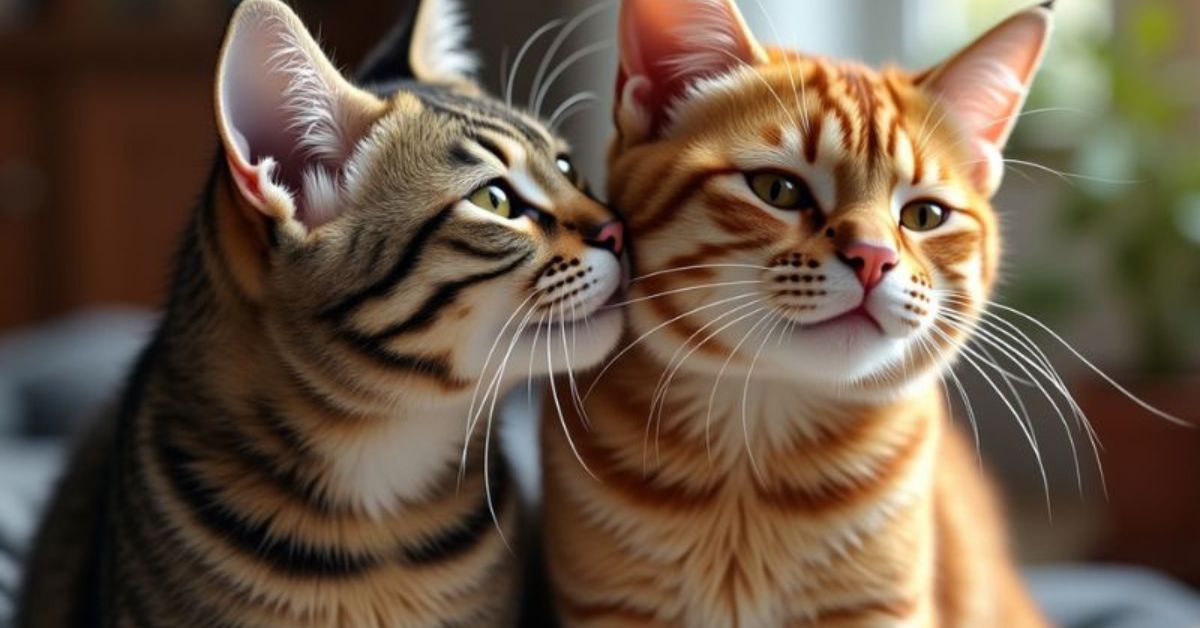
When cat biting on other cats neck, it’s not always a sign of trouble, but it does point to something deeper in their social behavior. In both domestic and wild cats, neck biting can occur as part of dominance or to establish hierarchies.
For instance, when cats are learning their roles within a group, they often engage in play that includes biting each other’s necks as a way to assert their position. This behavior can also be linked to aggression, especially when a cat feels its safe environment is threatened. Sometimes, this bite is a way for male cats to show interest during courtship rituals a normal part of the feline world.
However, neck biting isn’t always aggressive. It can also be a part of social interactions, where cats show affection or bond with each other, much like a playful gesture between furry friends. In my own experience, I have seen my cats playfully bite each other’s necks, which is a sign of them bonding and having fun together.
But if the biting turns into aggression, it can result in injuries, and that’s when pet owners need to be alert. Understanding the motivations behind this behavior, whether it’s play, establishing dominance, or expressing discomfort, is key in managing and preventing aggression. It’s important to create a harmonious and safe environment for pets to thrive in.
What is Cat Dominance?
When cat biting on other cats neck, it’s usually about asserting their dominance in the social hierarchy. This behavior is often seen when they are living together, and one cat feels the need to establish control. Posturing is a common precursor, where a cat may display behaviors to show it is the dominant one.

This is often tied to resource guarding, where they protect their territory or food. Decoding these behaviors helps us understand the reasons behind a cat’s need to assert its position in the group, ensuring that their dominance in the hierarchy is established.
Reasons Why Cat Biting on Other Cats Neck
1. Mating Behavior
When male cats mate, their dominant behavior often includes neck biting. A tom cat will bite the female cat’s neck to hold her still, preventing her from turning or attacking during mating. While it may look intense, this action doesn’t harm the female; instead, it has a calming effect on her, allowing the process to continue smoothly.
This is similar to how mothers carry their kittens by the scruff of their necks, ensuring the young kittens are kept safe and protected from any harm’s way. The male cat’s behavior, though seemingly forceful, is designed to protect and make the mating more effective. This behavior helps keep both cats still and ensures that the female is secure during a time when she might feel vulnerable. It’s a natural way to keep things calm and orderly, just like how a mother would carry her kittens to a safe den or bed to keep them out of harm’s way.
2. Hunting Instinct
When you see a cat biting on other cats neck, it’s often part of their hunting behavior. Even though it may look like playful fun, what’s really happening is that your cat is demonstrating its natural skills. Cats, by their very nature, are programmed to stalk and pounce on their prey just like their wild ancestors.
The intense focus they show when attacking and immobilizing their target is a key part of their predatory instinct. Whether they are prowling around the house or having a bit of play with their littermates or toys, this behavior mimics the serious act of stalking and pouncing on their prey in the wild.
Cats’ drive to hunt is often so strong that they silently approach their target, creating an overwhelming sense of focus that shows how deeply ingrained their hunting instincts are, even in a domestic setting.
3. Fighting and Dominance
In multi-cat households, it’s not unusual for cats to fight to establish dominance and mark their territory. As someone with 7 years of experience with cats, I’ve seen this behavior firsthand. It’s especially common in male cats when they reach sexual maturity and are influenced by adult hormones.
They often engage in behaviors like biting necks as a dominance expression, trying to control resources such as food, toys, and space. I’ve witnessed this dynamic myself, especially when a new cat is introduced, causing tension as the resident cats may feel their territory is being threatened.
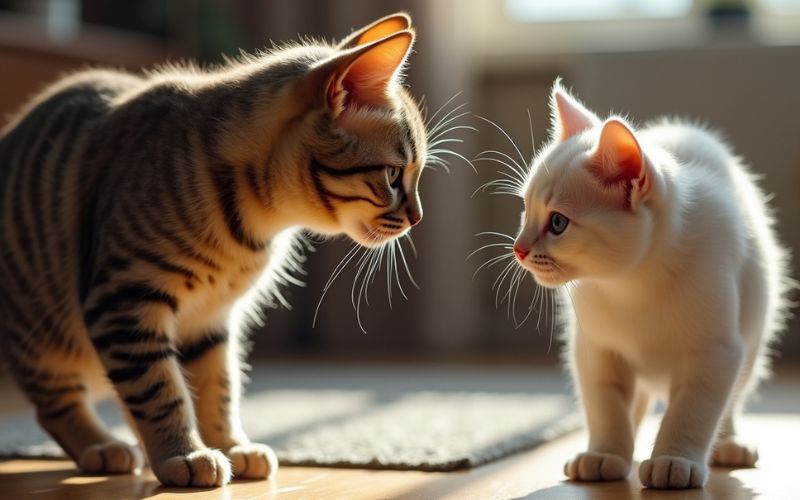
Over time, though, they sort out their established hierarchy, but it requires patience and proper integration. From my experience, I’ve learned that to reduce fighting, it’s important to make sure each cat has their own resources like litter boxes and food. Giving them separate spaces and ensuring plenty of human contact can help ease the process. With a proper introduction, I’ve been able to help my cats adjust, creating a more harmonious environment without constant conflict.
4. Playing and Learning
If kittens bite each other’s necks, it’s not just fighting it’s a key part of their learning process. This playful behavior allows them to mimic the actions of adult cats while refining their hunting and fighting skills. As they pounce, tumble, and bite, they’re testing their boundaries and communicating with their peers. This gives them a chance to receive feedback on whether they’ve crossed a line or if it’s all OK.
Through this trial and error, they have the opportunity to hone their instincts in a way that feels like fun. Over time, these playful moments help them develop the skills they’ll need as adult cats. Watching this process unfold is exciting, as you can see how each interaction shapes their confidence and readiness for the next stage of life with their family and human companions.
5. Increased Aggression Due to a Medical Issue
If your cat is biting another cat’s neck, this sudden aggression might be related to a medical condition. When cats experience chronic pain, such as from arthritis or other issues like hyperthyroidism, they can show behavior changes that may seem out of character.

In my experience, a cat feeling unwell or dealing with pain will often become more irritable or defensive, leading to behaviors like fighting or neck biting. Sometimes, it could be linked to neurological diseases or hormonal imbalances affecting their mood.
A sudden shift in behavior often signals that something isn’t quite right. If there’s extra stress in the house like changes in routine, a new pet, or lack of space it can make the aggression worse.
It’s important to monitor the symptoms and body language of your cat. If their behavior continues to change, a visit to the veterinarian is necessary to uncover any underlying issues. Identifying and treating the medical condition can help reduce the aggression and make your cat feel more comfortable again.
(FAQs) About Cat Biting on Other Cats Neck
1. Why does my cat biting on other cats neck?
Cats often bite each other’s necks as a sign of dominance or play, but it can also indicate territorial disputes or aggression. If the biting is frequent, it could be a result of competition for resources like food or resting areas.
2. How do you discipline a cat for biting another cat?
Disciplining a cat for biting should involve redirecting their behavior with a firm “no” and providing distractions like toys. Never use physical punishment, as it can lead to more stress or aggression.
3. How to stop a cat from biting another cat’s neck?
To stop this behavior, provide separate feeding stations and resting areas, reduce territorial disputes, and offer plenty of vertical space like cat trees. Gradual introductions between cats can also reduce aggression.
4. What to do if my cat gets bitten by another cat?
If your cat gets bitten, clean the wound with warm water and antiseptic, and monitor for signs of infection. If the bite is deep or if your cat shows signs of illness, consult a vet immediately.
5. What is the behavior of a cat mating?
During mating, cats often display vocalization, rolling, and an increased need for attention. The female cat may also display lordosis, an arched back position, to signal readiness for mating.
6- Do cats bite to show dominance?
Yes cats often bite to show dominance, especially around the neck. It’s a way of saying I’m in charge” without getting into a full fight. You’ll see this more in multi-cat homes, with older or stronger cats establishing their position. If the biting is frequent, hard, or followed by hissing and chasing, it’s more than just play — it’s a dominance signal.
7- Should cats bite each others’ neck during play?
During play, light neck biting is actually normal. Cats often mimic hunting behavior when playing, and the neck is a natural target. As long as both cats seem relaxed, take turns, and don’t show signs of pain (like yowling, flattened ears, or running away scared), it’s harmless play. But if one cat is always the “victim” or the bites look painful, you may need to step in and redirect their energy with toys.